
Getting your portable washing machine ready for its first spin can feel a bit tricky. You might wonder how to set it up correctly or which settings to choose for the best wash.
But don’t worry—using your new appliance doesn’t have to be confusing. In this guide, you’ll discover simple, clear steps to make your first wash smooth and effective. By the end, you’ll feel confident handling your portable washer like a pro, saving time and effort on your laundry.
Ready to make laundry day easier? Let’s dive in!
Choosing The Right Spot
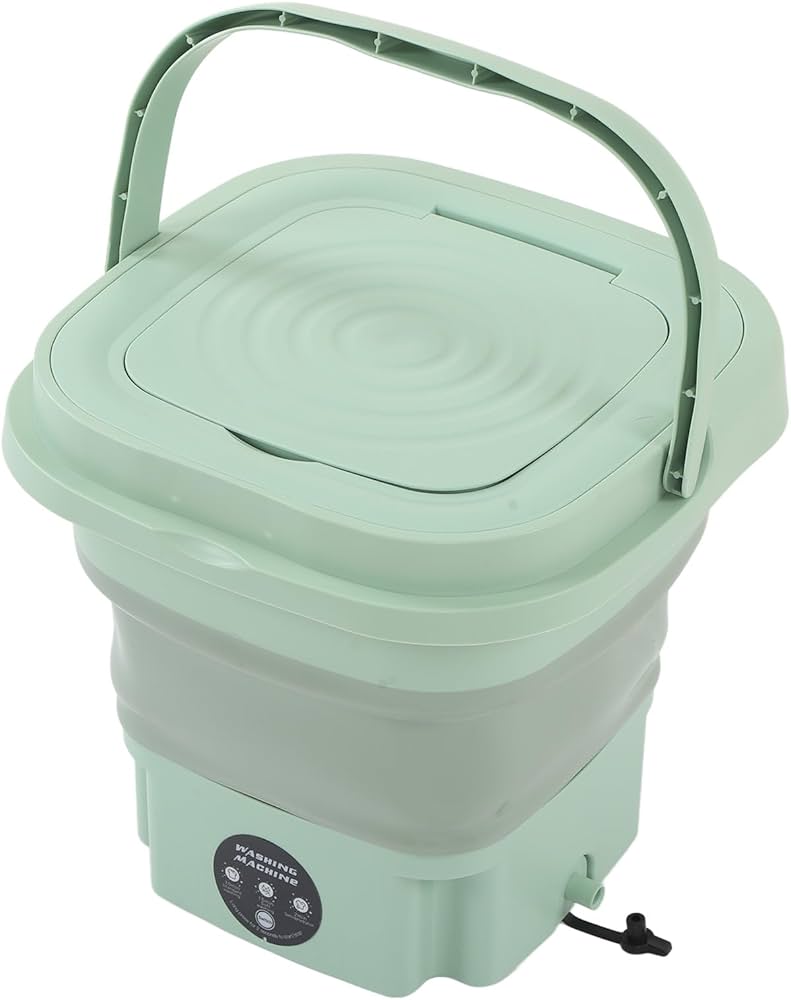
Choosing the right spot for your portable washing machine is important. The location affects how well the machine works and how easy it is to use. Pick a place with easy water access, good drainage, and a flat surface. This helps avoid problems like leaks, vibrations, or poor cleaning results.
Check Water Supply Access
Your portable washer needs water to operate. Pick a spot near a water tap or faucet. This makes it easy to connect the machine’s hose. Avoid using long hoses. They can cause water pressure loss and leaks. Make sure the water source is reliable and easy to reach.
Ensure Proper Drainage
Drainage is key to avoid water spills. Place your washer near a drain or sink. The drain hose should reach the drain without stretching. Standing water can damage floors and walls. A good drainage spot prevents flooding and keeps your area dry.
Find A Stable Surface
The surface must be flat and strong. A stable base stops the machine from shaking. Avoid soft or uneven floors. These cause noise and wear on the machine parts. A firm surface also keeps the washer balanced during spinning.
Credit: www.amazon.com
Setting Up The Machine
Setting up a portable washing machine is simple. Follow a few clear steps to get it ready. Proper setup helps the machine work well and last longer. Start by unpacking and checking the parts. Then connect the water hoses carefully. Finally, plug in the power cord safely. Each step is important for smooth operation.
Unpack And Inspect
Open the box carefully and remove the machine. Check all parts and accessories inside. Look for any damage or missing pieces. Read the user manual before starting. Keep the packaging until the machine works well. This protects your purchase and helps if you need support.
Connect Water Hoses
Find the water inlet on the machine. Attach the hoses firmly to avoid leaks. Connect one hose to the faucet and the other to the drain. Tighten all connections by hand. Make sure the water flows freely. Use a bucket or sink to catch water from the drain hose.
Plug In Power Cord
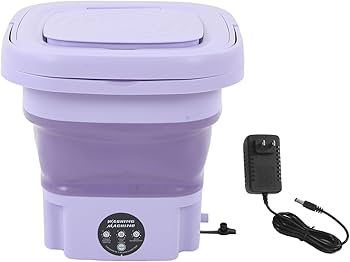
Locate a nearby electrical outlet. Ensure the outlet matches the plug type. Plug the power cord securely into the socket. Avoid using extension cords or adapters. Keep the cord away from water sources. Turn on the machine to check power supply. Your portable washing machine is now ready to use.
Loading Clothes Properly
Loading clothes properly in a portable washing machine helps clean clothes better. It also protects the machine from damage. Learning the right way to load clothes saves time and energy. Follow simple steps for best results.
Sort Laundry By Fabric And Color
Separate clothes by color to avoid color bleeding. Wash dark and light clothes in different loads. Sort by fabric type too. Heavy items like jeans need separate washing from delicate items. Sorting keeps clothes safe and looking new.
Avoid Overloading
Do not fill the machine beyond its capacity. Overloading stops clothes from moving freely. This leads to poor washing and extra wear on clothes. Leave space for water and detergent to flow. Follow the machine’s load guide for best results.
Use Suitable Detergent
Choose detergent made for portable or small machines. Use the right amount to avoid residue on clothes. Too much detergent causes foam and poor rinsing. Liquid detergents often work better than powders. Proper detergent keeps clothes clean and soft.
Credit: www.amazon.com
Selecting The Right Cycle
Selecting the right cycle on your portable washing machine is key for clean clothes. Each cycle works best for certain fabrics and dirt levels. Choosing correctly saves time and protects your garments.
Understanding the options helps you get the most from your machine. It also keeps clothes looking fresh and lasting longer. Focus on fabric type, water temperature, and spin speed for best results.
Match Cycle To Fabric Type
Delicate fabrics need gentle cycles to avoid damage. Heavy fabrics like towels or jeans need stronger cycles. Use the cycle designed for the fabric you wash.
Most machines have settings like cotton, synthetics, and delicates. Follow your clothes’ care label for guidance. This prevents shrinking or stretching.
Choose Water Temperature
Hot water cleans very dirty clothes and kills germs. Warm water works well for most clothes and colors. Cold water saves energy and protects bright colors.
Select the temperature that fits your fabric and dirt level. Cold water is best for delicate fabrics and dark colors.
Adjust Spin Speed
Spin speed controls how fast the drum spins to remove water. High spin speed removes more water but can stress delicate fabrics. Low spin speed is gentle but leaves more water in clothes.
Use a slower spin for silks and wool. Use a faster spin for towels and sturdy fabrics. Adjusting spin speed helps clothes dry faster and stay in good shape.
Running The First Wash
Running the first wash in your portable washing machine is simple and quick. This step helps clean the inside of the machine and prepares it for your clothes. It also checks if the machine works properly before you add laundry.
Follow these easy steps to start your first wash smoothly. Watch the machine closely during the cycle. Learn what to do if any problems arise.
Start The Machine
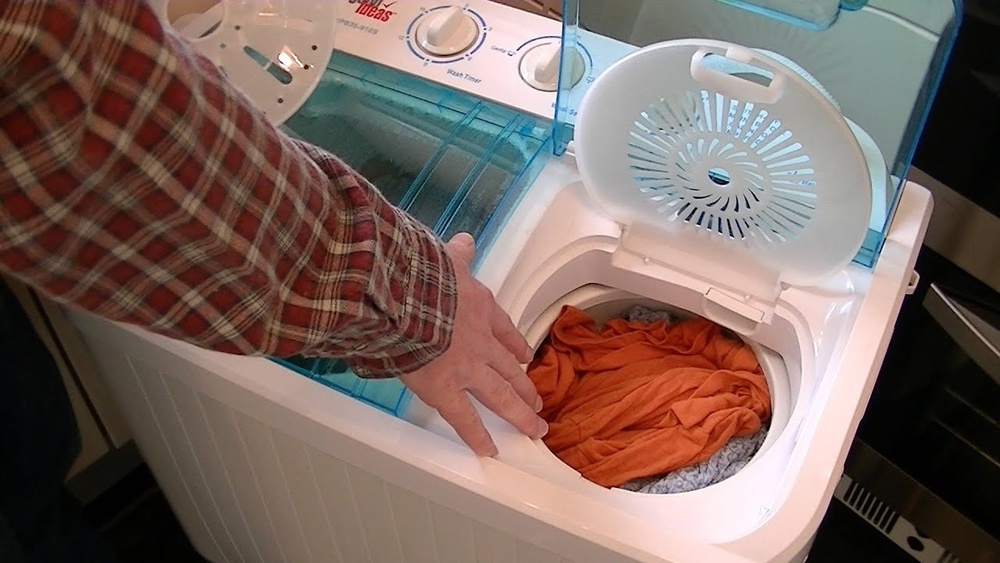
Plug in the portable washing machine and turn it on. Add a small amount of detergent made for portable washers. Do not put clothes inside for the first wash. Select a short wash cycle. Press the start button. Let the machine fill with water and begin washing.
Monitor The Process
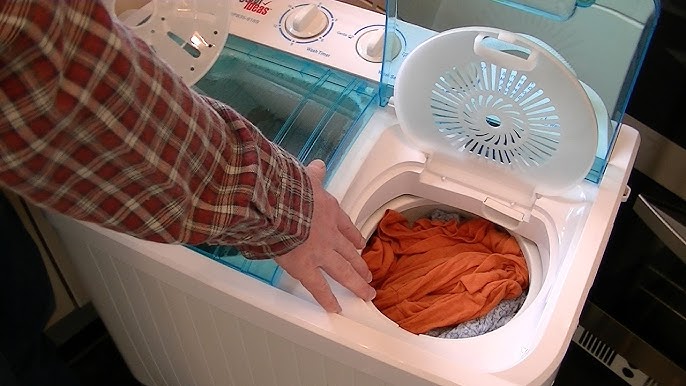
Stay near the machine while it runs. Check if water fills correctly without leaking. Listen for unusual sounds like banging or grinding. Make sure the drum spins smoothly. Watch the timer to see the cycle progress. Stop the machine if you notice anything strange.
Troubleshoot Common Issues
If the machine does not start, check the power connection. Ensure the water hose is connected and turned on. Clean the filter if the water drains slowly. Remove any objects blocking the drum. Reset the machine by unplugging and plugging it back in. Contact support if the problem continues.
Credit: www.youtube.com
After Wash Care
After washing clothes in your portable washing machine, proper care helps keep it in good shape. Taking a few simple steps ensures your machine lasts longer and works well every time. This care also prevents odors and mold buildup.
Unload Clothes Promptly
Take out your clothes as soon as the wash cycle ends. Leaving wet clothes inside can cause bad smells and wrinkles. It also helps the machine dry faster inside.
Clean The Machine
Wipe the inside of the machine with a dry cloth after each use. Remove any lint or dirt from the drum and seals. Run a cleaning cycle with water and a little vinegar once a month to stop mold and soap buildup.
Store Properly
Keep your portable washing machine in a dry place. Avoid areas with high humidity or direct sunlight. Cover it with a cloth to stop dust and dirt from settling on it.
Frequently Asked Questions
How Do I Set Up A Portable Washing Machine First Time?
Place the machine on a flat surface. Connect the water hose and plug it in. Follow the manual steps.
What Type Of Detergent Works Best In Portable Washers?
Use liquid or powder detergent labeled for portable or high-efficiency washers. Avoid too much soap.
How Much Laundry Can A Portable Washer Handle?
Most hold 5 to 10 pounds of clothes. Check your model’s capacity for best results.
Can I Use A Portable Washer Without A Drain?
Some models have built-in pumps. Otherwise, drain water manually into a sink or tub.
How Long Does A Typical Portable Washing Cycle Take?
Cycles usually last 15 to 30 minutes. Time varies depending on wash settings and load size.
Conclusion
Using a portable washing machine for the first time can feel easy. Follow the steps carefully to avoid any problems. Connect water and power properly before starting. Choose the right settings for your clothes. Keep an eye on the machine during the wash.
Clean the machine after use to keep it working well. Portable washers save space and time. Small but helpful for quick laundry jobs. With practice, using it will become simple and fast. Enjoy fresh, clean clothes without much effort.